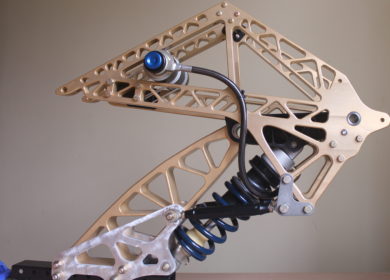
Adaptive sit-skiing has its roots in the mid-20th century, emerging as a way to enable individuals with physical disabilities to experience the thrill of skiing. The concept gained traction after World War II, when injured veterans sought ways to participate in winter sports despite their mobility challenges. Early adaptive skiing efforts focused on stand-up techniques for amputees, but as technology advanced, sit-skiing became a viable option for those with spinal cord injuries and other conditions affecting lower-body mobility. The first sit-ski designs were rudimentary, often resembling sleds with ski attachments, but they laid the foundation for more sophisticated models that would follow. By the 1980s, the development of mono-skis and bi-skis revolutionized adaptive skiing, allowing skiers to carve turns and navigate slopes with greater control and independence.
The growth of adaptive sit-skiing was further propelled by the establishment of organizations dedicated to making skiing accessible to all. Disabled Sports USA, founded in 1967, played a crucial role in promoting adaptive skiing programs, and the passage of the Americans with Disabilities Act in 1990 helped ensure ski resorts accommodated skiers with disabilities. The sport gained international recognition when sit-skiing was included in the Paralympic Games, first appearing in the 1992 Winter Paralympics. Since then, advancements in equipment, such as shock-absorbing suspension systems and improved seating designs, have enhanced the experience for sit-skiers, making the sport more dynamic and competitive. Today, adaptive sit-skiing continues to evolve, offering individuals with disabilities the freedom to explore the mountains and participate in high-level competitions alongside able-bodied athletes.